- ForgeHub
- Posts
- Everyone Deserves a Team, But Brotherhood Isn't Built by Campaigns
Everyone Deserves a Team, But Brotherhood Isn't Built by Campaigns
The British government's new campaign on loneliness correctly identifies the problem. However, young men do not need better branding - they need older men who will build communities with them.

Richard Morrissey
February 03, 2026
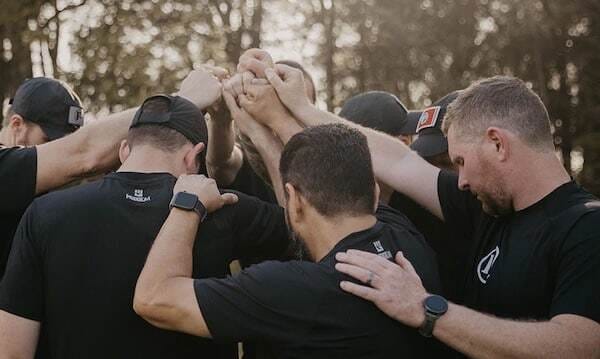
A silent crisis of formation is leaving a generation of young men adrift. Men worldwide are reporting the same issues: uncertainty about their purpose, confusion about what masculinity means today, and a deep longing for connection without a clear roadmap to achieve it. Equimundo's new State of the World's Men 2026, released last month, surveyed men across multiple countries and revealed striking patterns of isolation and aimlessness. In several countries, approximately one in three men reported feeling lonely or isolated in the previous week. Large majorities express a desire to be more caring and involved in their communities but lack the role models or spaces to do so. They describe feeling caught between outdated scripts and new expectations that no one has taught them how to navigate.
This is a formation gap - the void left when communal rites of passage and intergenerational mentorship disappear. We ceased teaching young men how to become men, instead expecting therapeutic language and algorithms to fill the void. They did not. A generation of boys and young men now senses that something is missing but lacks the language and disciplines to construct what they need.
It is genuinely encouraging that the UK government is paying attention.
On 25 January, the Department for Culture, Media and Sport launched "Team Up: Because Everyone Deserves a Team Behind Them," a week-long national campaign led by sports figures including Jonny Wilkinson and Luke Littler. The campaign is specifically designed to address male isolation and loneliness among boys and young men, with ministers citing government data showing that around one in four young men report feeling lonely sometimes, often, or always. The message is clear: young men are vulnerable to isolation, poor mental health, and to "negative influences found in the digital world." Team Up aims to encourage them to participate in youth clubs, sports programmes, and community spaces.
This is preferable to silence. The instinct is sound. Sport builds genuine bonds. Physical exertion builds trust. Showing up in person, sweating together, and learning to lose and win alongside others - these experiences are important. The government has correctly identified part of the problem: young men are lonely, adrift, and vulnerable to toxic influences precisely because they lack real-world connection and structure.
'Team Up' is a necessary first step - it recognises the wound. However, it mistakes a tourniquet for a full recovery. Campaigns direct you to spaces - pitches, rings, clubs - but they cannot provide you with brothers. That requires something the state cannot mandate, nor branding manufacture: older men willing to take responsibility for younger men, and younger men willing to submit to something demanding.
What the Government Cannot Do for You
The government is concerned about boys drifting into toxic online spaces, and rightly so. However, the digital manosphere is a symptom rather than the root cause. Young men are drawn to figures like Andrew Tate, Fresh & Fit, and others who offer structure and hierarchy because they are seeking precisely what is lacking offline: clear standards, explicit hierarchies, and someone prepared to define what excellence entails. If no healthy alternative is provided, they will accept a toxic version.
Team Up can fund facilities, but it cannot create a covenant. It can place boys in the same room, but it cannot make them loyal to one another. It can discuss the concept of "belonging," but explicit vows are necessary.
The distinction is important. Support spaces provide empathy, structured programmes, and general encouragement. Orders, such as fraternities, brotherhoods, and serious male communities, offer initiation, hierarchy, and binding commitments. One addresses symptoms; the other builds character. One says, "You're welcome here." The other says, "Here's what we demand of you, and here's what we will give you in return."
Young men do not need more wellness jargon or a gentler form of masculinity. What they require is what men have always needed: other men who will demonstrate how to live well, hold them to a high standard, and refuse to let them drift aimlessly. This formative work takes place in small, intentional groups with clear expectations and experienced leadership, rather than in generic spaces where "everyone is welcome" and no one is held accountable.
I have written before about the brotherhood deficit and why your son needs a father rather than a friend. The same principle applies here: proximity does not create a relationship. Being in the same club or programme does not make you brothers. Brotherhood is built through shared sacrifice, explicit commitment, and older men modelling what loyalty truly looks like.
The Real Work of Building a Tribe
So, what does brotherhood actually require?
Regular, physical gatherings centred around a shared purpose; not merely "hanging out." A lifting club where members track each other's progress; a reading group working through challenging material together; a technical workshop where participants build something tangible; or a service project aimed at repairing or assisting those in need. The purpose is important because it provides structure to the gathering and prevents it from dissolving into aimless socialising.
Explicit commitments, spoken aloud. Not vague goodwill, but specific vows: "We show up for each other. We tell the truth, even when it is uncomfortable. We do not let each other drift or settle for less than we are capable of." These commitments need to be named and repeated, not merely assumed. The act of voicing them binds you.
Older men taking responsibility for younger men, not as equals or peers, but as mentors and role models. This involves an older man deliberately investing time, attention, and correction in the formation of a younger man. It means being willing to say difficult things, to push back when necessary, and to uphold standards even when it is easier to be affirming. It also means asking the younger man, "Who are you responsible for? What are you building?" and holding him accountable for his answers. Most young men are desperate for this guidance, even though they will rarely ask for it directly.
Rituals that signify belonging include shared meals, traditions, insider language, and stories of shared suffering that are told and retold. These are not merely decorative; they form the infrastructure of memory and identity. They are how a group becomes your people, rather than just people you know.
This is how religious orders have always operated, how military units bond, and how dedicated craftsmen train apprentices. These are timeless principles of formation. The campaigns and studies have merely rediscovered the wheel and are now publishing papers about its roundness.
What You Will Do This Week
If you are a young man reading this, do not wait for the government to provide you with a tribe. Do not rely on an app to connect you with brothers. Do not scroll through manosphere content as a substitute for genuine initiation.
Choose one of these and complete it within the next seven days:
Join a martial arts gym or a rugby club and commit to six months—not just to "try it out"—to commit. Attend consistently. Learn to take a hit and to give one. Allow the physical discipline to reshape how you perceive yourself.
Start a monthly dinner with three other men, where you read something challenging and engage in discussion. Choose a book that demands effort such as theology, philosophy, or serious history. Share a meal together. Disagree respectfully. Make it a regular commitment.
Ask an older man you respect to have coffee and say explicitly, "I need guidance. Will you help me?" Not mentorship in the abstract, but actual, practical assistance in navigating a specific challenge - whether it be work, relationships, or character development. Most older men are waiting to be asked and will say yes.
Organise an activity for your friends that requires some sacrifice. Choose something that demands effort and cannot be done alone.
For one week, replace thirty minutes of daily scrolling with thirty minutes of reading or writing. Tackle the digital habit by cultivating an offline discipline.
Brotherhood is a discipline. You build it in the same way you build anything worth having: through repetition, maintaining standards, and showing up even when you don't feel like it.
The reports will be filed. The campaigns will end. But the lonely boy, the uncertain young man - he remains. What he needs cannot be found in a report or a campaign slogan. It is built in a gym, at the dinner table, through shared struggle. It is built by you.
Begin now.
Reply